

Designing stadium technology for better fan experiences and smarter venue operations
Designing stadium technology for better fan experiences and smarter venue operations
Years before fans walk through the gates at any major stadium and long before the first tip-off or kick-off, teams of designers, engineers, architects and consultants are shaping the systems that bring major venues to life.
At WJHW, part of PMY Group, that work has helped define the modern sports venue experience across North America over the last three decades.
Two of the people contributing to WJHW’s success are Daniel Riess, Principal, and Greg Swindle, Associate Principal. Between them, they have worked on the design of LED, video, audio and broadcast systems at most pro-sports stadiums in the United States including SoFi Stadium and Hollywood Park , Intuit Dome, Mercedes-Benz Stadium, Levi’s® Stadium, and many more.
Their work sits at the intersection of architecture, engineering, technology, commercial strategy and fan experience.
The invisible work behind unforgettable venues
For Daniel, the focus is on designing visual and broadcast systems that enhance the fan experience while pushing the boundaries of what’s possible in sports and entertainment venues.
“Our role is to take a client’s vision or challenge and develop a solution that’s tailored specifically to their venue,” he says.
“That’s where WJHW stands apart. We’ve developed proprietary approaches to LED integration and acoustics, led by colleagues who are recognized as pioneers in the industry.
“Over the years, we’ve seen many of our innovations adopted around the world… and they say imitation is the best form of flattery! That includes our methods for concealing speakers behind LED displays and the way we use bass traps within arenas. Our expertise is also recognized academically, with WJHW Director and Principal Jack Wrightson contributing a chapter on sound design to the Handbook for Sound Engineers by Glen Ballou.”
From large-format LED displays like the Halo board at Intuit Dome and the Infinity Screen at SoFi Stadium, to broadcast infrastructure and venue-wide entertainment systems, the team is often involved years before a building opens.
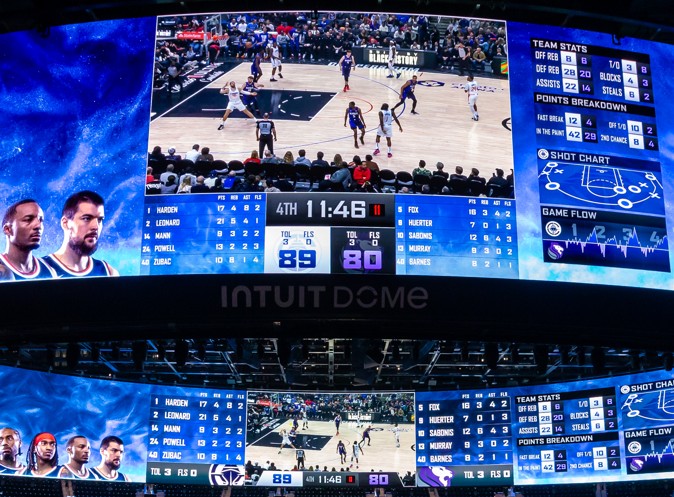
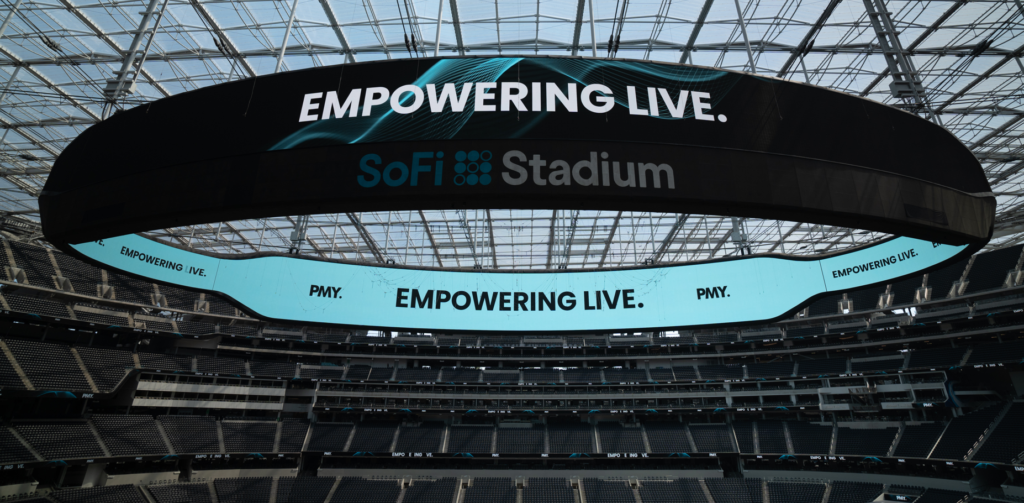
Greg’s focus is sound system design, particularly across arena environments.
Great acoustical design requires a deep understanding of physics, architecture, sightlines, seating bowls, roof structures, scoreboards and the way sound travels through a building.
“The value is knowing where to put speakers so the system works technically, looks visually appealing and delivers the right impact for game day,” he says.
“Considerations include a fan’s proximity to speakers, seat rake position, the height of speakers in relation to the press box and so many other elements.”
Working backwards from the fan experience
Every project begins with questions.
What do fans want to experience? How should the show feel? How should sponsors be integrated? What does the team need from the venue today, and what will it need ten years from now?
Daniel says WJHW often works closely with architects first, then venue stakeholders to understand what they are trying to achieve and how technology can support that need.
“There is no one-size-fits-all approach. A new NFL stadium, an NBA arena renovation and a collegiate venue all have different audiences, commercial models and operational needs,” he says.
“WJHW’s role is to bring decades of experience to the table, establish a technical baseline, and then customize the solution so each venue feels distinct.”
Where technology, sponsorship and atmosphere meet
A home team winning will always be the most memorable part of a fan’s day inside any arena.
But beyond the result, Daniel and Greg believe venues can create moments that stay with people through interaction, spectacle and surprise.
“Everyone likes seeing something they have never seen before,” Daniel says.
“That could be a sponsor activation that uses LED displays in a way fans genuinely engage with. It could be a dynamic in-game moment triggered by a winning shot. It could be an audio system that creates intensity without compromising clarity.
“At Toyota Center, for example, the Houston Rockets could use the video production systems designed by WJHW to create unique visual moments around the three-point area. What began as a team-led feature has an opportunity to become a commercial asset for sponsors.
“That is where venue technology becomes more than infrastructure. It becomes a platform for storytelling, revenue generation and emotional connection with fans.”
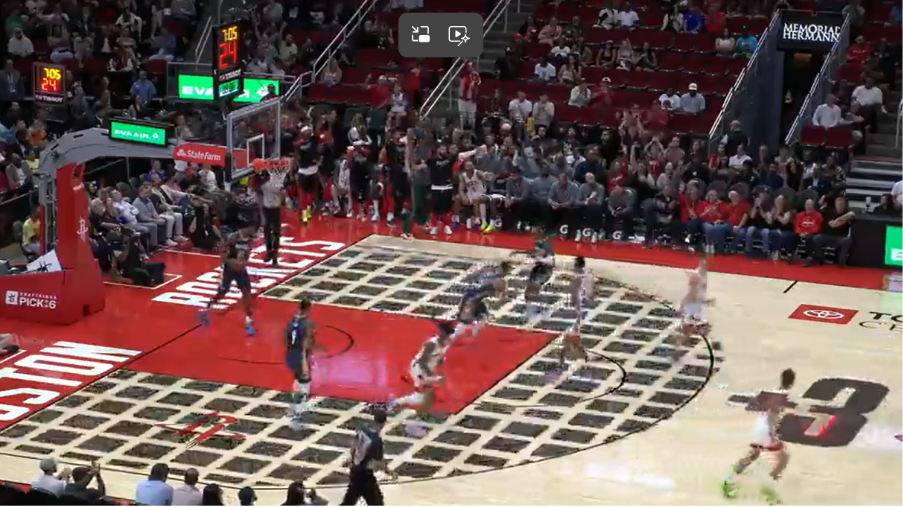
Toyota Center
A legacy built on trust
WJHW’s portfolio is significant, with ties to almost all major stadiums and arenas across the United States, spanning professional, collegiate and multi-purpose venues.
At any given time, WJHW designers, along with colleagues at PMY Group, work on multiple pro-sport, collegiate, education and government projects in different stages of development, from early concept design through to modelling, documentation, construction and commissioning.
That depth of experience is one of the reasons clients trust the design team.
“We build these systems all the time,” Daniel says. “So, we can guide clients, give them confidence and help them create something unique.”
Greg says the best outcomes often come when clients trust the process.
“They come to us as experts,” he says. “Our job is to walk them through it and get them to the right solution.”
Highlights from a career shaping modern venues
For Daniel, a standout project was Ford Field, where he worked with the Detroit Lions on one of his first solo professional sports venue projects. Being invited back years later to help deliver the next generation of the venue’s technology systems speaks to the long-term relationships WJHW has built with its clients.
SoFi Stadium was another defining project, both technically and personally, representing years of work on one of the most ambitious stadium developments in the world.
He also points to FedExForum as a career highlight, where the team helped deliver the first continuously curved LED display in the NBA – a solution that pushed the limits of what could be done with the technology.
For Greg, some of the most rewarding moments are less visible. They come when a design challenge appears late, when a building changes, or when a system needs to be adapted behind the scenes, so the final result still works flawlessly.
Projects Greg particularly enjoyed working on include Fiserv Forum, Chase Center, and Intuit Dome. While they are all NBA arenas, each posed unique challenges and required their own tailor-made solutions.
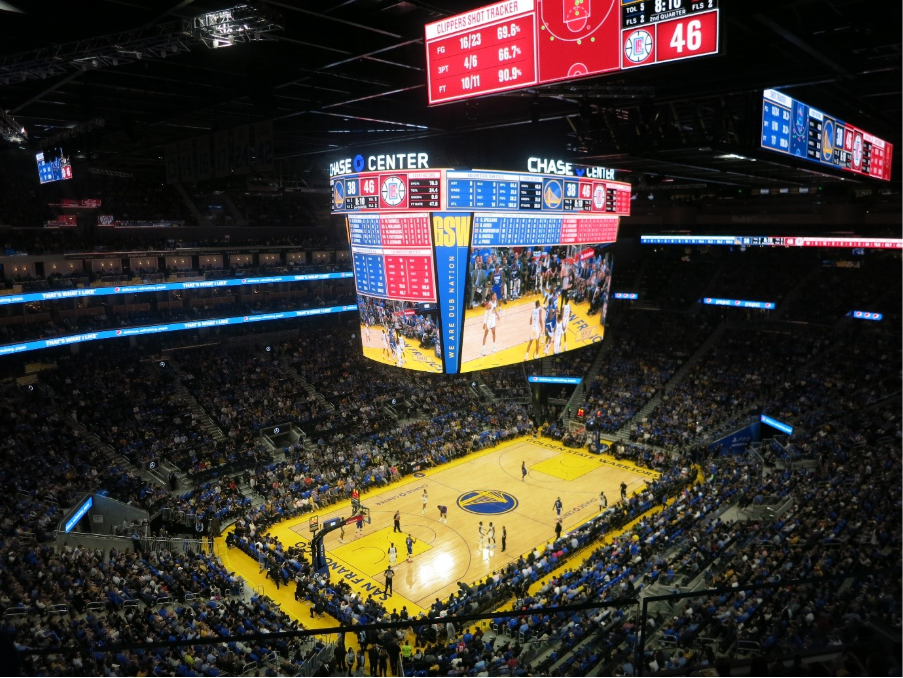
Chase Center
The future of fan experience
Sports venues are evolving quickly. Fans expect more immersive entertainment. Clubs need more flexible commercial platforms. Architects are designing more complex buildings. Sponsors want better integration. Broadcasters need world-class infrastructure.
Against that backdrop, WJHW’s work is becoming even more important.
The team’s value lies not only in technical design, but in understanding how technology supports the full venue ecosystem: the fan, the club, the architect, the operator, the sponsor and the broadcast partner.
For PMY, WJHW represents exactly the kind of specialist expertise that is shaping the future of live sport and entertainment globally.
And for Daniel Riess and Greg Swindle, the work remains grounded in a simple ambition: create systems that help venues deliver moments fans will remember long after the game is over.